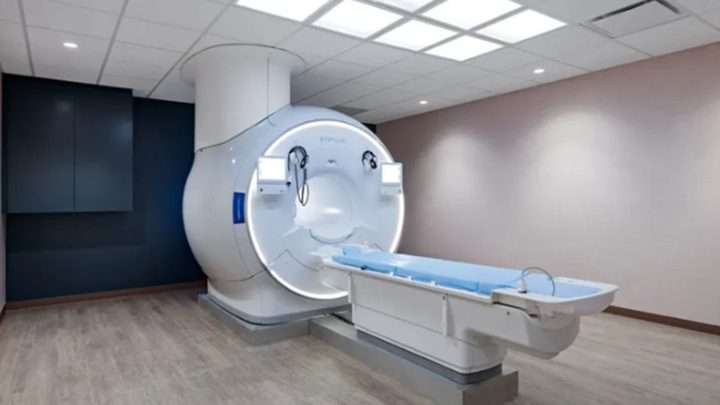
Chewing gum involves more than moving the jaw: brain-imaging studies record activity in networks involved in sensation and movement, with some studies examining attention and emotional processes as well.
A June 2025 paper in Brain Sciences, The Neural Correlates of Chewing Gum—A Neuroimaging Review of Its Effects on Brain Activity, brought together research using functional MRI, functional near-infrared spectroscopy and EEG.
A review of mechanisms
The authors described their work as a mechanistic review. It examined findings from existing studies rather than reporting one new trial in which chewing gum had been proven to improve everyone’s concentration.
The review noted that questions remained about the neural mechanisms involved. It also said its approach did not fully conform to PRISMA standards for systematic reviews.
Brain activity is one part of the evidence. Observing a change in an imaging signal does not, on its own, show a lasting improvement in learning or establish a treatment for a medical condition. The research helps frame questions about chewing and cognition; stronger practical claims require evidence that measures those outcomes directly.
Updated Oct. 4, 2026: Clarifies that the findings come from a neuroimaging review and explains its limits.